


Cell Therapy
Living cells used in cancer treatment and selected regenerative or blood-disorder therapies.
How the treatment works
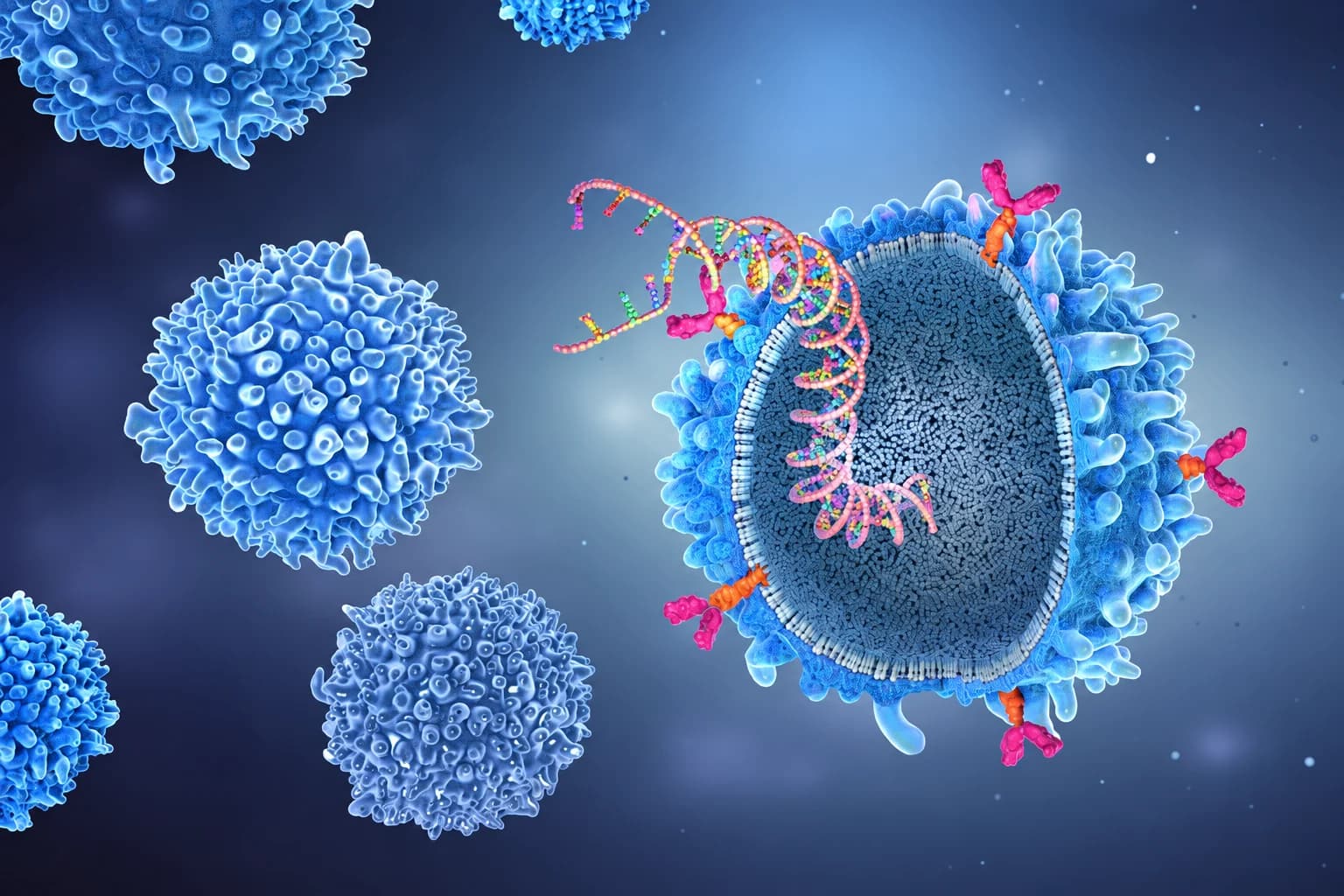
Cell therapy uses living cells to produce a therapeutic effect. It includes immune-cell therapies and some haematopoietic and regenerative treatments. CAR-T is a prominent example: a patient’s T cells are collected, genetically modified to recognise a tumour target, expanded and quality-tested, then infused back into the patient. CAR-T is therefore both cell therapy and immunotherapy, with genetic engineering involved in manufacture.
From blood cancers to selected solid tumours
Chinese CAR-T use has expanded from haematological malignancies into a defined solid-tumour indication. Shanghai-based CARsgen developed zevorcabtagene autoleucel for eligible patients with relapsed or refractory multiple myeloma. In June 2026, satricabtagene autoleucel (satri-cel, CT041) was approved in China for CLDN18.2-positive, HER2-negative advanced gastric or gastro-oesophageal junction adenocarcinoma after failure of at least two prior lines of treatment.
This represents an important translational advance. It does not mean CAR-T is suitable for every gastric cancer or every solid tumour.
The clinical pathway
Shanghai centres, including Fudan University Shanghai Cancer Center, have experience with clinical CAR-T care. Treatment requires eligibility assessment, cell collection, care during manufacturing, infusion and close monitoring afterwards. The appropriate centre should be trained and certified for the specific product, with a feasible treatment and follow-up plan.
Understanding the budget
A July 2026 interview with a company executive reported a product price of approximately RMB 990,000 for satri-cel. This is a reference for the cell product, not an all-inclusive package covering collection, conditioning treatment, admission and management of adverse effects. Durability of benefit varies with the disease and the individual patient.