


Regenerated islet transplantation: early results in three people with type 1 diabetes
Shanghai researchers report differing outcomes after autologous and allogeneic regenerated-islet transplantation.
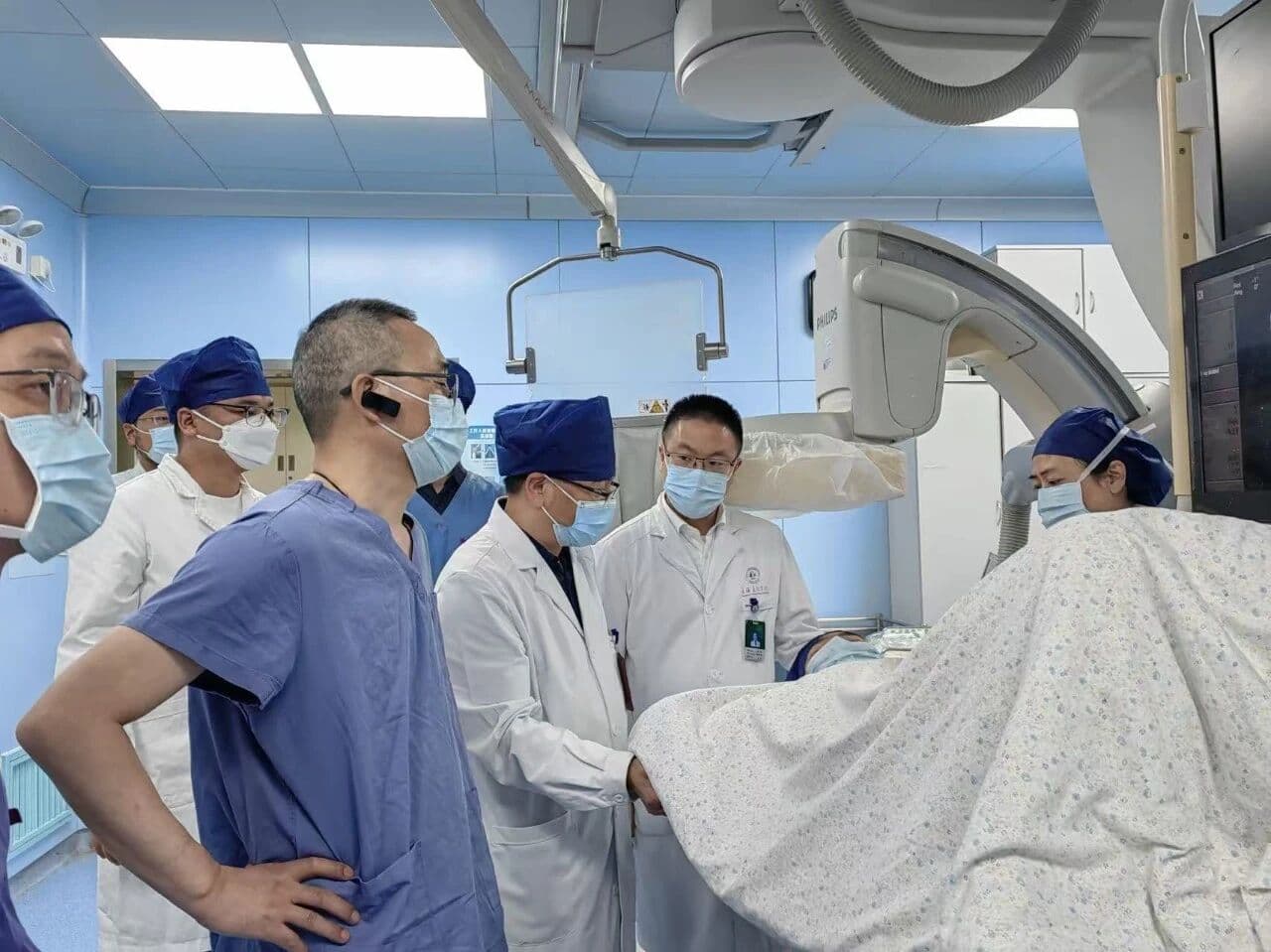
Rebuilding insulin-producing function
Researchers led by Xin Cheng at the Chinese Academy of Sciences’ Center for Excellence in Molecular Cell Science and Professor Hao Yin at Shanghai Changzheng Hospital reported the use of autologous and allogeneic stem-cell-derived islets in three people with type 1 diabetes. The findings were published in The Lancet Diabetes & Endocrinology.
The team developed an endoderm stem-cell platform over more than two decades. According to the report, the directed differentiation process was reduced from ten steps to two and to a period of approximately two weeks. The resulting E-islets are delivered through the hepatic portal vein to support blood-glucose regulation.
Three patients, three different outcomes
The first patient was a 30-year-old woman with an 18-year history of diabetes. After receiving autologous regenerated islets and standard immunosuppression, her islet function and glucose control improved. Six months later, she stopped immunosuppressive medication on her own. Autoimmune markers subsequently became positive, and graft function was lost.
The second patient, a 45-year-old man with fulminant type 1 diabetes, received allogeneic islets. He became independent of external insulin at week 36 and maintained stable glucose control through the reported follow-up.
The third patient was a 15-year-old girl with a five-year disease history. Allogeneic transplantation improved glucose stability and islet function, but she had not completely stopped external insulin. The report describes insulin resistance associated with adolescence and long-term insulin use as relevant factors.
The continuing role of immunosuppression
The cases demonstrate the possibility of restoring islet function, but their outcomes should not be combined into a claim that all three patients were cured. Type 1 diabetes is an autoimmune disease. The researchers emphasised that long-term immunosuppression remains necessary with the current approach, including when a patient’s own cells are used.
The team’s ongoing work includes optimising immunosuppression and developing more broadly compatible islet products. The article also reports Chinese and US clinical-trial authorisations for an allogeneic regenerated-islet product. Clinical-trial authorisation is distinct from approval for routine commercial treatment.