


Antibody–Drug Conjugates (ADCs)
Targeted delivery of a therapeutic payload using an antibody.
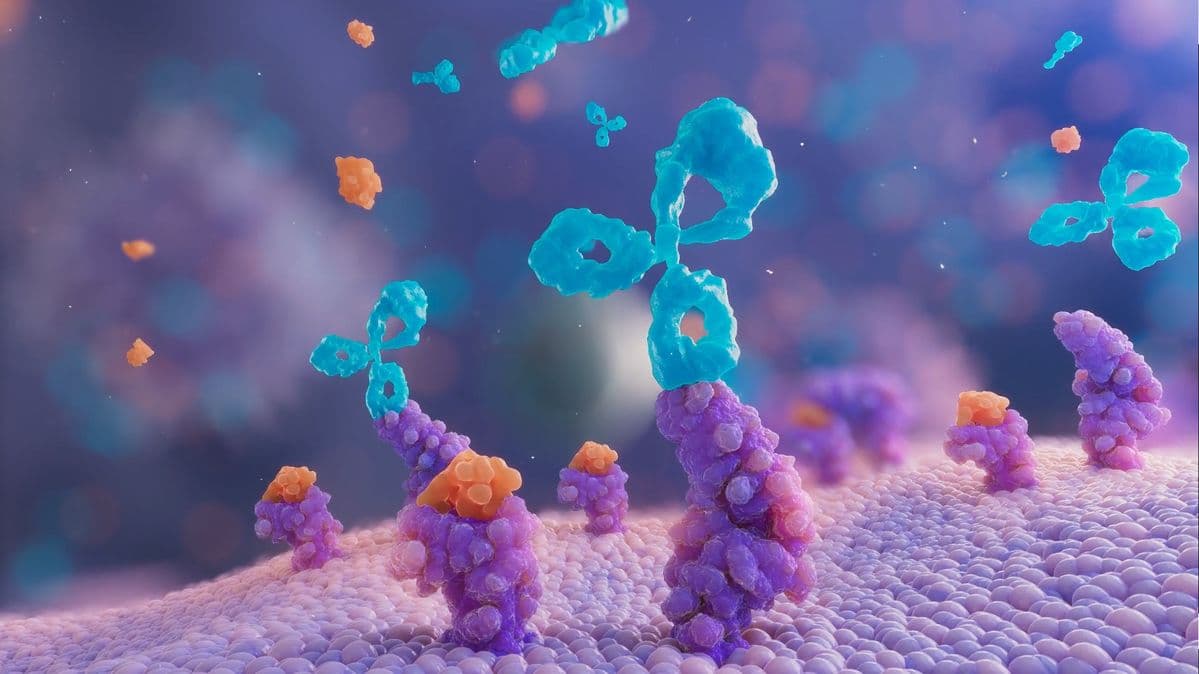
How the treatment works
Conjugated medicines link a molecule that recognises a specific target to a therapeutic payload. Antibody–drug conjugates, or ADCs, are the most widely used clinical example: an antibody binds a target on a cancer cell and delivers a cytotoxic medicine to it. Targets, payloads and approved cancer types differ between products. Selection therefore depends on pathology, target testing and previous treatment.
Clinical development in China
China has substantial capacity in ADC development, clinical trials and clinical use, with both domestic innovations and medicines developed internationally. Treatment is moving into earlier lines of care. In August 2026, trastuzumab deruxtecan combined with pertuzumab was approved in China as first-line treatment for adults with unresectable or metastatic HER2-positive breast cancer. For eligible patients, this creates an ADC option at the beginning of treatment for advanced disease.
Shanghai’s research contribution
Shanghai research also focuses on identifying patients most likely to benefit. A 2025 study from Professor Zhimin Shao’s team at Fudan University Shanghai Cancer Center combined digital pathology, spatial omics and artificial intelligence to investigate prediction of response to next-generation HER2 ADCs.
This work extends precision medicine beyond access to a new drug towards better treatment selection. The predictive models remain research findings and should not be mistaken for tests routinely available in every clinical setting.