


01
A closer look at the hospital
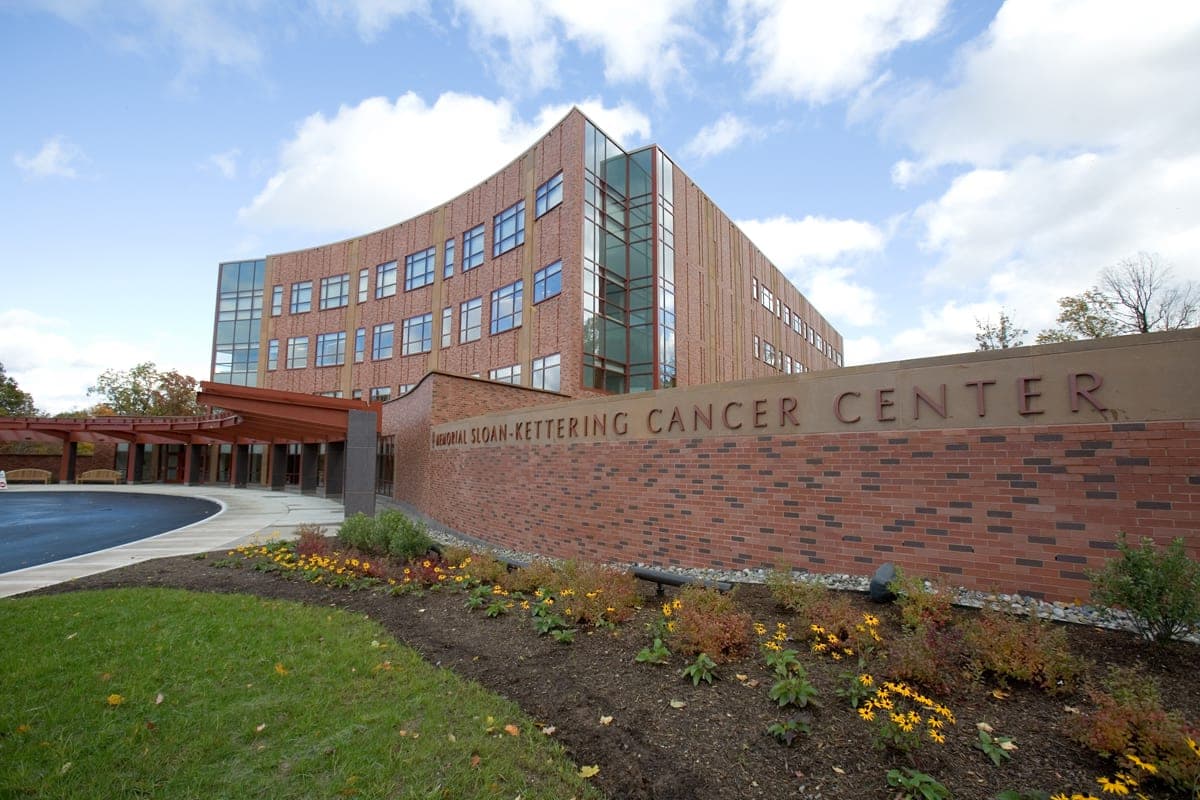
Memorial Sloan Kettering Cancer Center in New York combines specialist cancer care and research through disease-specific teams. Its molecular oncology programme connects tumour testing with clinical questions. Patients may seek treatment review, a complex second opinion or an assessment of whether a test result could meaningfully change care.
Published work includes tumour sequencing, colorectal cancer and immunotherapy. Precision treatment involves more than matching a genomic report to a drug: the cancer type, previous treatment and supporting evidence still matter. International services provide an application route and can confirm available consultation formats.
02
Clinical strengths
Molecular oncology and test interpretation
The molecular oncology centre works on tumour profiling and clinical translation. Submit complete reports with the platform, sample date and findings, and ask which results have practical clinical relevance.
Colorectal cancer and immunotherapy research
The colorectal programme studies treatment including immunotherapy in selected molecular groups. Consultation should use accurate staging and MSI/MMR results where available; findings in one selected group do not apply to every patient.
Disease-specific second opinions
For recurrence, complex surgery or an uncertain treatment path, request an opinion around a specific decision. Original imaging and pathology help the team establish whether further testing is needed.
03
Specialists & clinical teams
Andrea Cercek
Colorectal cancer and younger patients
Her official profile describes gastrointestinal medical oncology, colorectal cancer, early-onset disease and related immunotherapy research.
View supporting sourceKravis Center for Molecular Oncology team
Tumour profiling and clinical translation
The centre connects genomic testing and biological findings with clinical treatment questions. The disease team can explain whether further testing is needed and how results would be used.
View supporting sourceStudy results describe selected patient groups, not an individual doctor’s success rate. Availability, case acceptance and the treating team require hospital confirmation.
04
Your international care journey
Follow MSK’s international patient process and confirm the consultation format, English translations and financial arrangements. Obtain receiving and shipping instructions before sending pathology material, particularly irreplaceable originals.
Share your records and questions
Send the diagnosis, pathology, imaging and treatment history. Explain whether you want a second opinion, information about a treatment or an in-person visit. We help organise the records and identify missing information.
Confirm the specialty and acceptance
The relevant service confirms whether it can accept the case and whether pathology review or more records are needed. The hospital determines whether remote assessment or a multidisciplinary opinion is appropriate.
Agree appointments, costs and travel
Confirm the campus, first appointment, proposed assessment and payment requirements before arranging visas, accommodation, transport and interpreting. Discuss caregivers and length of stay when repeated treatment is expected.
Attend assessment and discuss the plan
The clinicians assess the case, arrange necessary tests and explain suitable options, expected benefits and risks. Discuss costs and logistics alongside the clinical plan before deciding on the next step.
Stay informed during treatment
Agreed support can include appointments, interpreting and communication during care. Keep track of questions and clinical feedback, and review schedules, costs and family arrangements if the treatment plan changes.
Return home with a follow-up plan
Before departure, collect the discharge summary, pathology and imaging, medicines and follow-up plan. Clarify pending reports and contact arrangements, with support for communication between local and treating clinicians where agreed.
What to prepare for the first enquiry
Provide pathology, staging information, the complete treatment history and the question you want the consultation to answer. Confirm the consultation format and required records through the international centre.
Diagnosis & pathology
Diagnosis summary, complete pathology, immunohistochemistry, available molecular tests and where tissue is held.
Original imaging
Recent and pretreatment imaging studies with reports and dates, so changes can be compared.
Treatment timeline
Operations, radiotherapy plans, each drug regimen, responses and major side effects; current medicines and allergies.
Your practical needs
Home country, preferred language, possible travel dates, caregiver needs and the questions you want answered.
Start with the records you already have. We can help identify gaps; do not arrange additional tests solely to make an enquiry.
See the full records checklistPractical details to settle before travel
Costs & payment
Ask what the hospital estimate includes, deposits, additional charges and refund arrangements. Plan travel and living costs separately. Insurance coverage and direct billing require confirmation.
Language & records
Confirm interpreting for appointments, communication during treatment and the language of records. Our China coordination includes Chinese and English support; other languages need advance confirmation of availability and arrangements.
Campus, accommodation & caregivers
Consultations, tests and admission may take place at different sites. Distance, accessibility, caregiver rules and follow-up frequency all affect the itinerary and should be considered once the clinical plan is clearer.
Length of stay & returning home
Assessment, surgery, radiotherapy and cellular treatment have different schedules. Ask the hospital for the expected course, allowing for results and changes in the plan. Confirm readiness to return home with the clinical team.
05
How Chirona can help
If you are comparing hospitals in different countries, we can first help organise your records, priorities and questions. We will explain the coordination available for the particular institution before accepting an engagement; its international service confirms clinical acceptance.
The hospital and clinicians make diagnostic, treatment and acceptance decisions. Chirona provides consultation and care coordination within the agreed scope.
Explore our service process06
Questions before you decide
Will I need genomic testing again?
The receiving team will decide. Send the full report and sample information, including the collection date and subsequent treatment. The clinician can assess coverage, relevance to the current disease and whether another test could change the decision.
Can I request one of the specialists featured here?
Tell us your preference and we can help enquire. The hospital confirms acceptance, the specialist’s involvement and who provides outpatient or inpatient care. It may also recommend another suitable clinician within the specialty.
Can I contact Chirona before choosing a hospital?
Yes. Share the diagnosis, treatment history and the decision you need help with. We can organise the questions to consider when comparing hospitals and explain the coordination available.
Does submitting records confirm treatment?
Submitting records starts the assessment. The hospital must confirm acceptance and clinical suitability and may require more information or in-person tests. Appointment confirmation, the treatment plan and costs should be clarified separately.
Sources & further reading
Profiles draw on the institutional sources below, including historical material where it explains a programme’s development. Appointments, services and research recruitment can change and need confirmation when enquiring.