


01
A closer look at the hospital
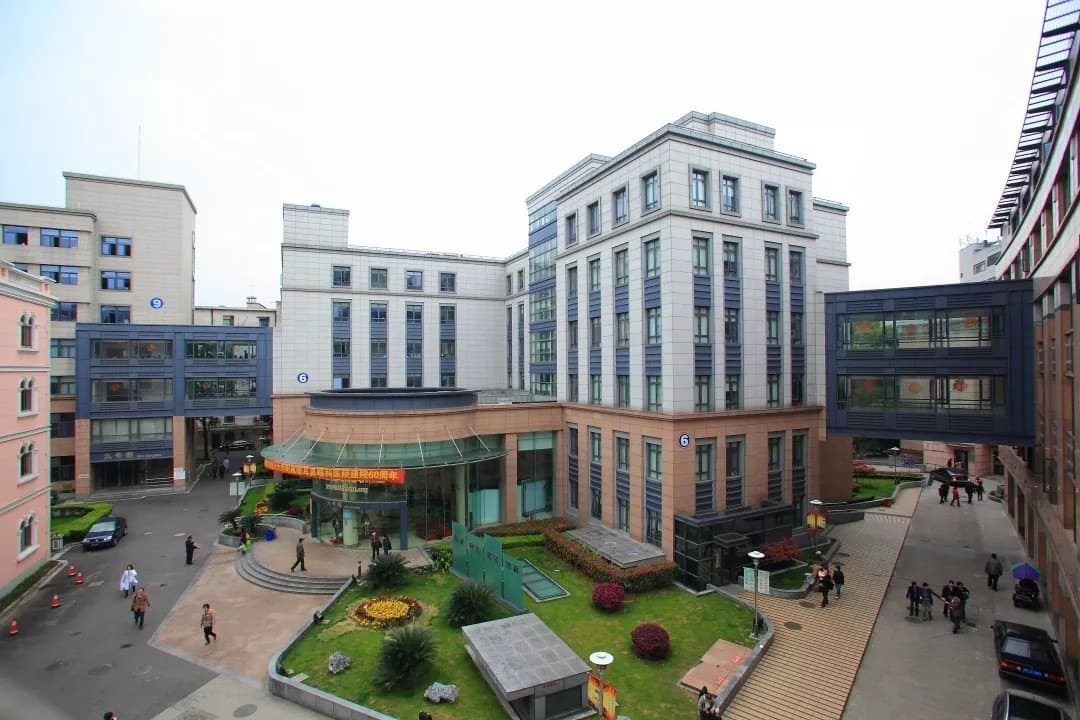
Fudan’s Eye and ENT Hospital brings together two major specialties: ophthalmology and otolaryngology–head and neck surgery. Dedicated services cover the retina, glaucoma, cornea, ocular tumors, ear, nose, larynx and head and neck. For cancer care, key areas include ocular and orbital tumors, sinonasal and skull base disease, and laryngeal and hypopharyngeal cancer, with attention to vision, hearing, speech, swallowing and facial function.
The hospital combines broad ophthalmology with ear, nose and throat expertise. Eye services span orbital and ocular tumors, retinal disease, glaucoma, corneal and refractive conditions; ENT covers laryngeal, sinonasal, skull base and ear disease. Cancer care also draws on radiotherapy and reconstruction, with attention to vision, hearing, voice and swallowing.
Ophthalmology and ENT each have dedicated subspecialty teams. Orbital and intraocular tumors, sinonasal and skull base disease, and laryngeal cancer require distinct diagnostic and treatment pathways. This specialization supports site-specific surgery, radiotherapy, organ preservation and reconstruction.
02
Clinical strengths
Orbital and ocular tumors
Ocular and orbital oncology is a distinct specialty within the hospital. Jiang Qian’s team works across orbital, eyelid, intraocular, ocular surface and lacrimal disease, including retinoblastoma, lacrimal gland tumors and other complex eye tumors.
Treatment considers cancer control alongside preservation of the eye, vision and orbital function. Specialist ophthalmology, imaging and pathology contribute to separate pathways for children and adults.
Laryngeal and head and neck tumours
Laryngeal and hypopharyngeal cancer care must address tumour extent, neck nodes and laryngeal function together. The head and neck service’s work includes resection, combined treatment and reconstruction. For patients in whom some function can be preserved, details of the plan can affect speech, swallowing and breathing.
Specialist care brings these goals together: adequate tumour treatment, an appropriate resection and advance planning for the airway and rehabilitation. Previously operated or irradiated tissue requires particular assessment before further treatment.
Sinus and skull-base surgery
Tumours in the nasal cavity and sinuses can lie close to the orbit and skull base. The hospital’s endoscopic and skull-base work is relevant to these cases. Original CT and MRI studies help the team assess the surgical approach and the need for other specialists.
Reconstruction and radiotherapy planning
Reconstruction and head and neck radiotherapy are part of the hospital’s documented clinical work. Discuss recovery before treatment, including what eating and speaking may be like. Previous radiotherapy plans and operation reports are essential when considering further treatment.
Ophthalmology across the major subspecialties
The ophthalmology program includes glaucoma and optic nerve disease, retinal disease, cataract and lens disorders, corneal and ocular surface disease, and refractive care. Specialists such as Xinghuai Sun and Xingtao Zhou represent different areas of this clinical expertise.
This breadth also matters in complex ocular cancer care, where the optic nerve, cornea, lens and retina may each affect treatment and visual recovery.
Otology and hearing function
Otology is another core specialty, covering ear disease, hearing disorders, microsurgery and hearing reconstruction. Huawei Li and colleagues contribute clinical and research expertise within the wider ENT program.
For lesions involving the ear or skull base, hearing, balance and facial nerve function form part of assessment alongside the lesion itself.
03
Specialists & clinical teams
Dehui Wang
Salvage surgery for recurrent nasopharyngeal cancer
Wang’s team focuses on whether locally recurrent nasopharyngeal cancer can be removed after radiotherapy and how to reduce subsequent relapse. Its 2025 randomized phase II study in 42 patients compared endoscopic surgery plus adjuvant tislelizumab with surgery alone. This is an emerging approach from a small trial; resectability and the relationship to critical structures such as the carotid artery come first.
View supporting sourceJiang Qian
Adult ocular melanoma and assessment of metastatic risk
Qian’s work provides clinical experience in rare adult ocular melanoma. A 2022 prognostic study included 295 patients treated at the hospital and validation data from 256 external cases. His clinical focus is adult intraocular tumors, diagnosis, risk assessment and long-term surveillance.
View supporting sourceStudy results describe selected patient groups, not an individual doctor’s success rate. Availability, case acceptance and the treating team require hospital confirmation.
04
Your international care journey
Choose the ophthalmology, rhinology or head and neck service according to the tumour site, then confirm the campus. Mention a tracheostomy, swallowing difficulty or previous radiotherapy. If speaking is difficult, prepare written questions and plan interpreter support accordingly.
Share your records and questions
Send the diagnosis, pathology, imaging and treatment history. Explain whether you want a second opinion, information about a treatment or an in-person visit. We help organise the records and identify missing information.
Confirm the specialty and acceptance
The relevant service confirms whether it can accept the case and whether pathology review or more records are needed. The hospital determines whether remote assessment or a multidisciplinary opinion is appropriate.
Agree appointments, costs and travel
Confirm the campus, first appointment, proposed assessment and payment requirements before arranging visas, accommodation, transport and interpreting. Discuss caregivers and length of stay when repeated treatment is expected.
Attend assessment and discuss the plan
The clinicians assess the case, arrange necessary tests and explain suitable options, expected benefits and risks. Discuss costs and logistics alongside the clinical plan before deciding on the next step.
Stay informed during treatment
Agreed support can include appointments, interpreting and communication during care. Keep track of questions and clinical feedback, and review schedules, costs and family arrangements if the treatment plan changes.
Return home with a follow-up plan
Before departure, collect the discharge summary, pathology and imaging, medicines and follow-up plan. Clarify pending reports and contact arrangements, with support for communication between local and treating clinicians where agreed.
What to prepare for the first enquiry
For eye disease, prepare ophthalmic examinations, vision records, orbital imaging and any pathology. For ENT tumors, include endoscopy reports or video, head and neck imaging and pathology. Previous radiotherapy plans and changes in vision, hearing, voice, swallowing or breathing are also relevant.
Diagnosis & pathology
Diagnosis summary, complete pathology, immunohistochemistry, available molecular tests and where tissue is held.
Original imaging
Recent and pretreatment imaging studies with reports and dates, so changes can be compared.
Treatment timeline
Operations, radiotherapy plans, each drug regimen, responses and major side effects; current medicines and allergies.
Your practical needs
Home country, preferred language, possible travel dates, caregiver needs and the questions you want answered.
Start with the records you already have. We can help identify gaps; do not arrange additional tests solely to make an enquiry.
See the full records checklistPractical details to settle before travel
Costs & payment
Ask what the hospital estimate includes, deposits, additional charges and refund arrangements. Plan travel and living costs separately. Insurance coverage and direct billing require confirmation.
Language & records
Confirm interpreting for appointments, communication during treatment and the language of records. Our China coordination includes Chinese and English support; other languages need advance confirmation of availability and arrangements.
Campus, accommodation & caregivers
Consultations, tests and admission may take place at different sites. Distance, accessibility, caregiver rules and follow-up frequency all affect the itinerary and should be considered once the clinical plan is clearer.
Length of stay & returning home
Assessment, surgery, radiotherapy and cellular treatment have different schedules. Ask the hospital for the expected course, allowing for results and changes in the plan. Confirm readiness to return home with the clinical team.
05
How Chirona can help
From organising records and contacting an appropriate specialty to travel in China and follow-up at home, we help connect the practical steps. Tell us the diagnosis, treatment so far and the question you most want answered.
Make your history easier to review
Organise treatments and key reports, help with necessary translation and bring the important questions to the clinician.
Find the appropriate clinical service
Enquire with the relevant specialty, follow up on record requirements and help clarify acceptance and appointments.
Coordinate the practical steps in China
Within the agreed scope, help with visa documentation, travel, arrival transport, accommodation and accompaniment.
Keep communication connected
Help organise consultation feedback, records for home and follow-up requirements, with continued contact as agreed.
The hospital and clinicians make diagnostic, treatment and acceptance decisions. Chirona provides consultation and care coordination within the agreed scope.
Explore our service process06
Questions before you decide
How should I discuss preserving speech and swallowing?
Bring endoscopy findings, imaging and pathology, and describe your current voice, diet and any choking episodes. Ask the clinician to explain cancer control, the possibilities for preserving function and the likely rehabilitation needs separately.
Can I request one of the specialists featured here?
Tell us your preference and we can help enquire. The hospital confirms acceptance, the specialist’s involvement and who provides outpatient or inpatient care. It may also recommend another suitable clinician within the specialty.
Can I contact Chirona before choosing a hospital?
Yes. Share the diagnosis, treatment history and the decision you need help with. We can organise the questions to consider when comparing hospitals and explain the coordination available.
Does submitting records confirm treatment?
Submitting records starts the assessment. The hospital must confirm acceptance and clinical suitability and may require more information or in-person tests. Appointment confirmation, the treatment plan and costs should be clarified separately.
Sources & further reading
Profiles draw on the institutional sources below, including historical material where it explains a programme’s development. Appointments, services and research recruitment can change and need confirmation when enquiring.
- Fudan University: head and neck cancer expertise
- Fudan University: Pujiang campus and specialist development
- Institution & specialty information · newsroom.fudan.edu.cn
- Clinical programmes & patient services · newsroom.fudan.edu.cn
- Fudan: Eye and ENT subspecialties and faculty (2026)
- Orbital and ocular oncology
- Xingtao Zhou and refractive care
- Dehui Wang
- Jiang Qian